Overview
Pushing
Transonic
PROMETHEUS is MachWorks' second aircraft, building directly on lessons from ICARUS. Where ICARUS validates our systems pipeline, PROMETHEUS pushes into genuinely difficult aerodynamic territory: the transonic regime, where local shock waves begin to form on the airframe even before the aircraft itself goes supersonic.
Targeting Mach 0.7, PROMETHEUS will require refined aerodynamic shaping, upgraded propulsion, and a more capable autonomous control system — setting the stage for a full supersonic attempt.
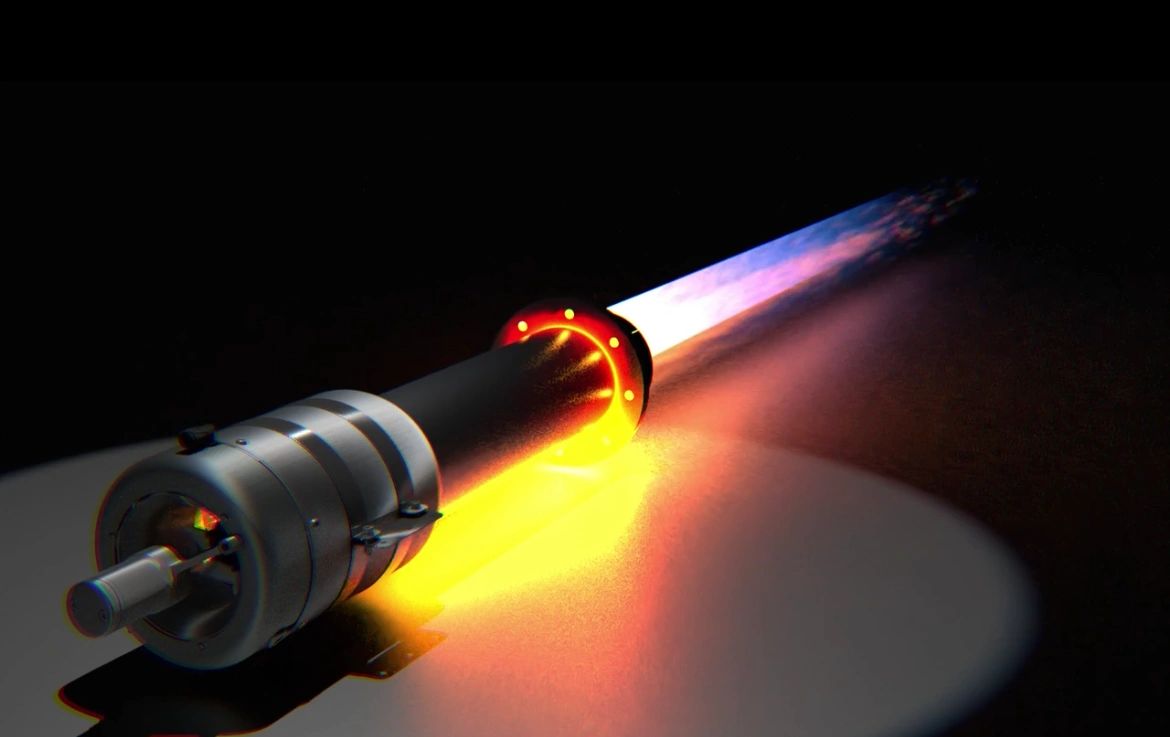
Specifications
Target Speed
Mach 0.7
Flow Regime
Transonic
Propulsion
Turbojet (Air-Breathing)
Control
Fully Autonomous
Predecessor
ICARUS (Mach 0.3)
Next Step
Supersonic (> Mach 1.2)
Status
Pre-Development
ITAR
Additional FAA Coordination Required
Team
MachWorks at Virginia Tech
Engineering Challenges
Aerodynamics
Compressible Flow
At transonic speeds, compressibility effects become significant and shock waves form on the airframe, dramatically changing the aerodynamic picture.
Propulsion
Higher Thrust
Reaching Mach 0.7 requires significantly more thrust and more careful propulsion system integration than ICARUS demands.
Controls
High-Speed Autonomy
Autonomous systems at transonic speeds face tighter response-time requirements and more complex flight dynamics to manage safely.